
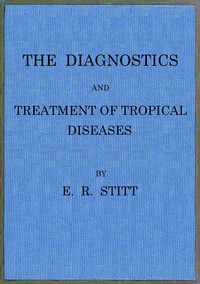
The diagnostics and treatment of tropical diseases by E. R. Stitt
This book is a practical manual written by a U.S. Navy doctor, Edward Rhodes Stitt, first published in the early 1900s. It was born from a real and urgent need. As American influence and military presence expanded into tropical regions, doctors faced a barrage of unfamiliar, terrifying illnesses. They needed a reliable, clear guide to figure out what they were dealing with and what, if anything, they could do.
The Story
There's no traditional plot with characters, but the narrative is the relentless pursuit of knowledge. Stitt systematically walks through diseases like malaria, dengue, and typhoid. For each one, he explains how to spot it (the symptoms), how to confirm it (using lab techniques of the era, like examining blood slides), and then lays out the treatment options available at the time. You follow his clinical logic from observation to diagnosis to action. The 'story' is the step-by-step process of turning medical chaos into a structured plan, saving lives in remote naval hospitals and outposts.
Why You Should Read It
It’s easy to take modern medicine for granted. This book pulls back the curtain on a time when that wasn't the case. What strikes me is the blend of precise science and stark limitation. Stitt describes advanced (for the time) microscopic analysis right next to treatments that seem crude by today's standards, like using quinine or arsenic-based drugs. You feel the weight of responsibility on these doctors. They weren't just following a protocol; they were often creating it on the fly. Reading his direct, no-nonsense prose, you get a powerful sense of the man: diligent, compassionate, and utterly dedicated to giving his colleagues the tools to do their impossible jobs.
Final Verdict
This isn't for everyone. If you're looking for a light read, keep moving. But if you're fascinated by medical history, military history, or the history of science, this is a goldmine. It's perfect for anyone who enjoys true stories of problem-solving under pressure. Think of it as the original field manual in the fight against tropical disease, written by a soldier on the front lines. You won't find drama for drama's sake here, but you will find something better: a real account of how we started to win some of our oldest battles.
You are viewing a work that belongs to the global public domain. It is available for public use and education.
Donna Brown
9 months agoI have to admit, the content flows smoothly from one chapter to the next. Don't hesitate to start reading.
Sandra Walker
4 months agoMy professor recommended this, and I see why.
Noah Williams
1 year agoI didn't expect much, but the storytelling feels authentic and emotionally grounded. Don't hesitate to start reading.
Joshua Hill
11 months agoThis is one of those stories where the atmosphere created is totally immersive. Exactly what I needed.








Linda Nguyen
1 year agoClear and concise.