
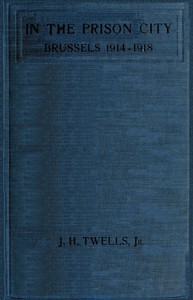
In the Prison City, Brussels, 1914-1918: A Personal Narrative by J. H. Twells
Most World War I stories take us to the trenches. This one plants us firmly in a drawing room in Brussels, a city that was captured and occupied by the German army for almost the entire war. ‘In the Prison City’ is Julia Helen Watts Twells’s personal diary of those years. She was a British woman married to a Belgian, which put her in a uniquely precarious position when the Germans marched in.
The Story
The book follows her day-by-day experience from the anxious summer of 1914 through to the liberation in 1918. There are no sweeping battle narratives. Instead, Twells writes about the shrinking world around her. She details the growing shortages: food becomes scarce, fuel is rationed, and ordinary items disappear. She describes the ever-present German soldiers, the rules that govern every aspect of life, and the constant, low-grade fear of saying or doing the wrong thing. The drama is in the mundane—a successful barter for potatoes, a tense encounter with an officer, the muffled joy of hearing distant Allied guns. It’s a story of a community adapting, resisting in small ways, and simply trying to endure.
Why You Should Read It
This book got under my skin because it makes history feel human. Twells isn’t a hero on a poster; she’s a person trying to keep her household together. Her voice is observant, sometimes frustrated, often witty, and deeply relatable. Through her eyes, you understand the psychological weight of occupation—the loss of freedom, the erosion of privacy, and the strain of constant uncertainty. What struck me most were the moments of unexpected connection and the stubborn maintenance of routines, like gardening or celebrating holidays, as acts of quiet rebellion. It reframes the war from something that happened ‘over there’ to something that happened in people’s kitchens and streets.
Final Verdict
Perfect for readers who love personal diaries, social history, or anyone tired of the typical war narrative. If you enjoyed the civilian perspectives in books like ‘The Diary of a Young Girl’ or the detailed everyday life in Hilary Mantel’s work, you’ll connect with this. It’s not a fast-paced thriller; it’s a slow, immersive, and profoundly thoughtful look at resilience. You’ll finish it with a new understanding of what ‘living through history’ truly means, and you’ll look at the concept of home and security in a different light.
This work has been identified as being free of known copyright restrictions. Thank you for supporting open literature.







Matthew Gonzalez
4 months agoUsed this for my thesis, incredibly useful.