
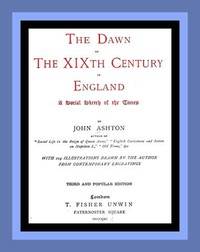
The Dawn of the XIXth Century in England: A social sketch of the times by Ashton
Forget the history you learned in school. John Ashton's The Dawn of the XIXth Century in England throws open the windows of 1800 and lets in all the noise, smells, and gossip of the street. This isn't a story with a single plot. Instead, it's a vibrant collage of a nation at a breaking point.
The Story
The book acts as a tour guide for a year of incredible tension. England is at war with France, and fear of invasion is everywhere. Ashton shows us how this panic seeped into daily life—from rumors of secret French tunnels to paranoid suspicion of foreigners. But it's not all doom and gloom. He has a brilliant eye for the absurd, detailing the outrageous fashions of the day (some so wide they couldn't fit through doors!) and the public's fascination with newfangled gadgets like gas lighting, which many thought was dangerously unnatural. He walks you through the coffee houses where politics were debated, the theaters where scandalous plays premiered, and the newspapers that were as full of wild speculation as they were of news. The 'story' is the collective experience of a people trying to make sense of their rapidly transforming world.
Why You Should Read It
I loved this book because it makes history human. Ashton doesn't just tell you about the Luddite riots; he shows you the genuine fear and confusion of workers being replaced by machines. You don't just learn that manners were different; you feel the social awkwardness in a detailed account of how to properly pay a visit. His secret weapon is using primary sources—advertisements, song lyrics, satirical cartoons—so the past speaks for itself in all its quirky, unfiltered glory. It’s surprisingly funny, deeply relatable, and occasionally shocking. Reading it, you realize that the anxieties about new technology, the polarization of politics, and the dizzying pace of change are not modern inventions. We've been here before.
Final Verdict
This book is a perfect match for curious readers who find traditional history a bit stiff. If you enjoy podcasts or documentaries that explore the 'vibe' of an era, you'll devour this. It's for anyone who's ever looked at an old painting and wondered what the people in it were actually talking about. While historians will appreciate the research, its real strength is for the general reader looking for a captivating, personality-driven journey into the past. You'll finish it not with a list of dates, but with a vivid sense of having spent a year living in 1800s England.
This text is dedicated to the public domain. Distribute this work to help spread literacy.
Jessica Gonzalez
1 year agoA bit long but worth it.



James Jones
1 year agoGood quality content.