
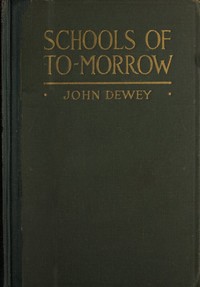
Schools of to-morrow by John Dewey and Evelyn Dewey
Forget dry educational theory. 'Schools of To-morrow' is a road trip. Published in 1915, it's written by philosopher John Dewey and his daughter Evelyn. They didn't just write about ideas in an ivory tower—they hit the road. The book is their travelogue from visiting a bunch of radical, experimental schools across the United States that were putting Dewey's philosophy of 'learning by doing' into action.
The Story
There isn't a single plot with characters. Instead, each chapter is a visit to a different educational laboratory. We see schools in Gary, Indiana, where the curriculum is built around real activities like gardening, cooking, and shop work. We visit a school in New York City that's organized like a mini-community, with students running their own post office and government. The common thread is a rebellion against passive, rote memorization. The Deweys show us classrooms where the teacher is more of a guide, and where subjects like math and history are learned because they're needed to complete a real project, like building a clubhouse or understanding local geography. The conflict is between this new, active model and the old, rigid, factory-style schooling that was the norm.
Why You Should Read It
Reading this book is a strange and wonderful experience. It's over a century old, but you'll constantly catch yourself thinking, 'We're still trying to figure this out!' The debates about whether school should train workers or educate citizens, the tension between standardized curriculum and personalized learning, the desire to make education relevant to life—it's all here. It's not a perfect blueprint, and some parts feel dated, but the core questions are startlingly fresh. It gives you a deep historical root for today's discussions about project-based learning and student-centered classrooms. It's also a hopeful reminder that passionate educators have always been out there, trying to build something better.
Final Verdict
This book is perfect for anyone interested in the history of ideas, especially parents, teachers, or lifelong learners who are curious about why school looks the way it does. It's not a light read, but it's an accessible one. You don't need a degree in education to follow it. If you've ever sat in a classroom and thought, 'There has to be a better way,' this book shows you that people have been building those better ways for a very long time. It's a foundational text that's more engaging and concrete than you might expect.
This text is dedicated to the public domain. It is available for public use and education.


Nancy Miller
11 months agoSimply put, the emotional weight of the story is balanced perfectly. This story will stay with me.