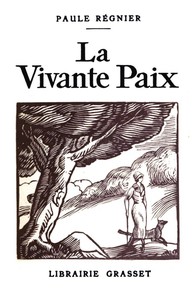
La vivante paix by Paule Régnier
There are war novels exploding with noise and blood, and then there's La vivante paix by Paule Régnier—a story that burns quiet and cold, like a grief you can't scream out loud. This is not a book about soldiers. It's about the spaces they leave behind.
The Story
Set during World War I in France, the novel centers on Marguerite, a young married woman whose husband, Jean, goes missing in action during the conflict's initial months. The French government designates him "missing," not dead—a bureaucratic ghost. Marguerite is frozen in limbo: she can wear black without being a widow, mention him without being single. Her grief has no permission to end. Living with his mother in a provincial house stiff with politeness, she sinks under the weight of silence. Then she meets Laurence, a boy younger than her, wounded, with eyes that haven't learned how to lie yet. Between them grows something tender and impossible: affection felt in whispers and heat that builds like steam under skin. The plot moves slowly, as minutes sometimes do for people waiting. What follows is a razor thin dance between duty, desire, and the desperate chase for any ounce of peaceful feeling.
Why You Should Read It
This book reached inside my chest and squeezed. Régnier writes scenes where on the surface, nothing is happening—at tea, always at tea—but everything is boiling underground. I loved the way Marguerite isn't a hero or a rebel; she is simply a hungry soul trapped in a polite prison. The author understands that a life flattened by waiting doesn't just make you sad; it molds you into acheing shape for any warm feeling that helps, even if wrong. The smallness of her world and the heaviness of her choices felt so shockingly real. What I also appreciated is the lack of easy victory. There is no dramatic escape, no fiery triumphant ending—just shadows inside a soul house. If you are prone to big feelings, prepare. This story doesn't wave flags; it traces fissures in the heart.
Final Verdict
La vivante paix is for readers who love quiet devastation and 'hero moments' found in sighing glances rather than rallying speeches. Perfect for fans of Mrs. Dalloway, Suite Française, or anyone addicted to stories that breathe history through one woman's sudden, shaken existence. It’s not a fast weekend read; it’s a permission to slow down and feel a soul gathering its fragile pieces.
Pick this up if you want war literature that bleeds softly just past midnight for an hour you'll never lose daylight to find.
This publication is available for unrestricted use. It is now common property for all to enjoy.